Christmas Gift Guilt: 7 Ways to Stop Overspending
"Feel guilty about spending less on Christmas gifts? Learn why gift guilt happens, how to stop overspending, and how to give thoughtful gifts without the pressure."
Christmas Gift Guilt: How to Stop Overspending to Prove You Care
Have you ever found the perfect Christmas gift, only to worry that it wasn't expensive enough? Perhaps you compared it with what someone else was buying, imagined the recipient's reaction, or added another present because the original suddenly felt inadequate.
This is Christmas gift guilt: the feeling that you need to spend more to show someone how much they mean to you. Instead of choosing a gift because it suits the recipient, you start worrying about what its price says about your relationship.
The desire to make people happy is natural. But when guilt, comparison, and social pressure influence your spending, Christmas shopping can become stressful rather than enjoyable.
The good news is that you can give thoughtful gifts without overspending. The first step is recognizing when you're buying out of genuine affection and when you're buying to quiet the fear that you haven't done enough.
What Is Christmas Gift Guilt?
Christmas gift guilt is the feeling that you haven't spent enough money, chosen an impressive enough present, or given enough gifts to show someone you care.
It can happen when you compare your present with someone else's, feel obligated to match an expensive gift, or keep searching for a better option even after finding something suitable.
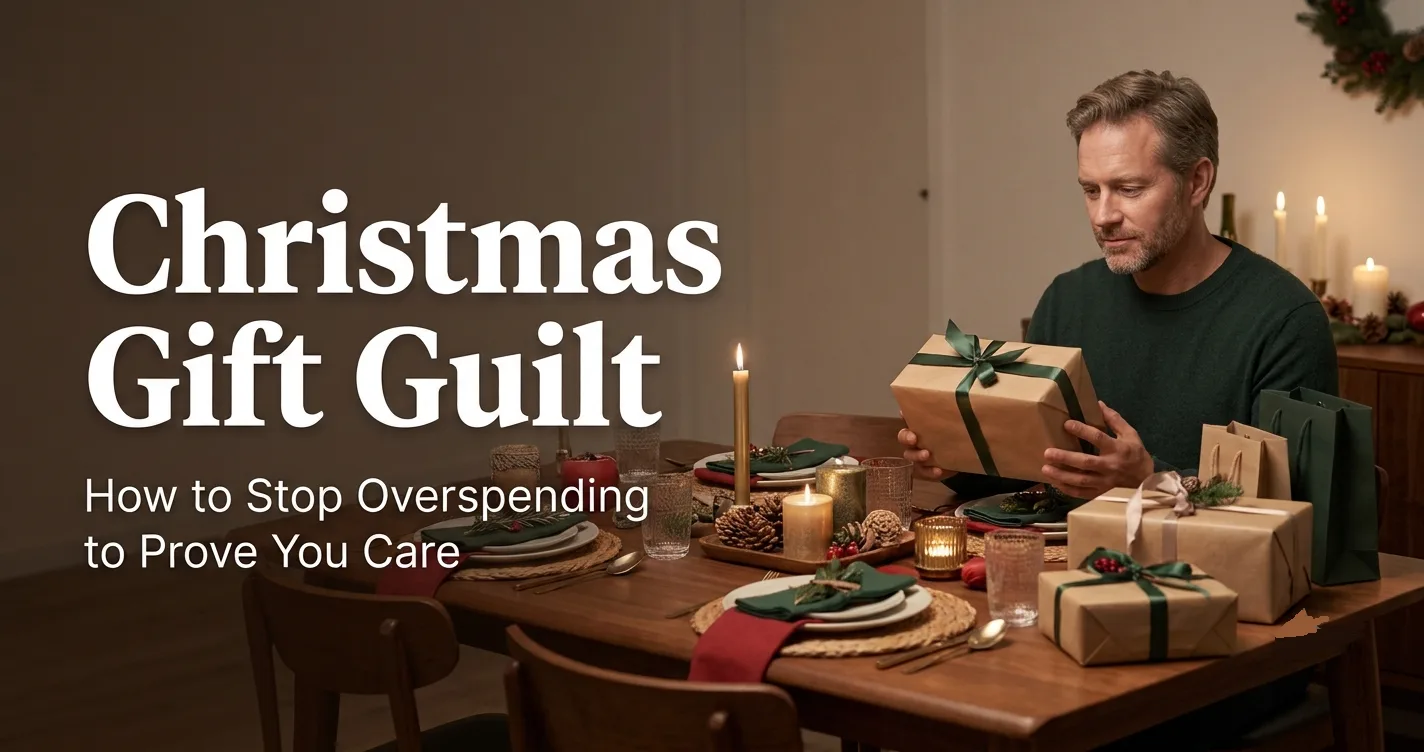
Imagine buying a book for a friend who loves reading. You know they'll enjoy it, and it fits your budget. Then you see someone else buying an expensive gadget for their friend. Suddenly, your thoughtful choice seems less impressive.
Nothing about the book has changed. Your perception of its value has changed because you're comparing it with someone else's spending.
That distinction matters. A gift should reflect your relationship with the recipient, not how much you're willing to spend to avoid feeling judged.
Why Do We Feel Pressured to Spend More on Christmas Gifts?
1. We associate expensive gifts with greater love
One of the biggest reasons for Christmas gift guilt is the belief that spending more demonstrates deeper affection. An expensive present can feel like a grand gesture, while a modest one may seem insufficient, even when it is carefully chosen.
But price and thoughtfulness are not the same thing. A gift can be meaningful because it reflects someone's interests, solves a problem, or reminds them of a shared experience. Its price alone cannot tell you how much care went into choosing it.
When you start asking, "Will this prove how much I care?" instead of "Will this make them happy?", gift-giving can become an attempt to demonstrate your feelings through money.
2. We compare our gifts with other people's gifts
Christmas presents are sometimes exchanged in groups, making differences in price and presentation easy to notice. You might see a family member receive a luxury watch while your gift is a modest accessory, and suddenly feel that you should have spent more.
These comparisons overlook important differences in people's budgets, preferences, and relationships. Someone else's spending does not establish what you should spend.
If your gift suits the recipient and reflects genuine thought, it doesn't become less meaningful because another person spent more.
3. We feel obligated to reciprocate
Suppose a colleague gives you an expensive Christmas present. You had planned a modest gift in return, but now you're uncomfortable giving it. You start searching for something more expensive because you feel you owe them an equivalent gesture.
Reciprocity can be a meaningful part of gift-giving, but it becomes stressful when it feels like a financial obligation. A gift is not an invoice, and receiving something generous doesn't automatically require you to spend the same amount in return.
You can appreciate someone's generosity without matching their spending. If gift expectations are becoming uncomfortable, an honest conversation can help establish boundaries for future occasions.
4. We are afraid of disappointing people
Sometimes the pressure comes from imagining how someone might react. You worry that a modest gift will make a partner feel unappreciated or that a family member will interpret it as a lack of effort.
This fear can lead you to spend more to prevent a reaction that may never happen. Although it's considerate to think about someone's preferences, you cannot control every interpretation of your gift.
A thoughtful choice is your responsibility. Ensuring that nobody could ever be disappointed is not.
How Christmas Gift Guilt Leads to Emotional Spending
Emotional spending happens when feelings influence what you buy and how much you're willing to spend. During Christmas, excitement about giving can mix with anxiety, guilt, and the desire to meet other people's expectations.
Imagine finding a handbag that suits your sister's style and fits your budget. Later, you see a premium version from a well-known brand. You begin wondering whether the original looks too ordinary, so you upgrade to the more expensive one.
The upgrade might be worthwhile. But if you chose it mainly because you feared looking less generous, your decision deserves a second look.
This is how emotional spending and impulse buying can develop:
- You choose a gift that meets your original intention.
- Comparison or anxiety makes you question whether it's good enough.
- You spend more to relieve the discomfort.
- The additional spending provides temporary reassurance, but the same doubts return with the next gift.
The problem isn't buying something expensive. It's allowing guilt to make the decision for you.
A WaitAndBuy guide to impulse buying explores how emotions and shopping triggers can influence unplanned purchases.
How to Stop Christmas Overspending Without Feeling Less Generous
You don't need to stop enjoying Christmas shopping. You need a way to make decisions that reflect your intentions rather than your fears.
Set a holiday gift budget that feels comfortable
Decide how much you can afford to spend on gifts without compromising essential expenses or creating financial stress. Treat this amount as a limit, not a target you must exhaust.
If you find a thoughtful gift for less than you planned, you don't need to spend the difference simply because it's available.
Choose gifts based on the recipient, not appearances
Think about what the person enjoys, needs, or has mentioned wanting. A practical item, a book related to their interests, or an experience you can share may be more appropriate than a luxury product chosen primarily to impress.
The goal is not to find the cheapest option. It's to find something that makes sense for the person and your relationship.
Pause before upgrading a gift
If you suddenly feel your gift isn't good enough, don't immediately replace it. Give yourself time to reconsider the decision when the initial anxiety has eased.
WaitAndBuy can help you save a purchase, record its price and add notes about why you want it, then return to it after a waiting period. This creates space between the urge to spend more and the decision to buy.
When you revisit the purchase, ask yourself: Would the upgrade genuinely improve the gift, or would it simply make me feel less guilty?
Consider alternatives to spending more
A personal note, a homemade treat, a shared activity, or a useful item chosen with care can make a gift meaningful without increasing its price. These options aren't automatically better than expensive presents, but they can be appropriate when they reflect the recipient and your intentions.
Talk about gift expectations
If exchanging gifts has become financially stressful for your family or friends, suggest a spending range, a Secret Santa exchange, or fewer presents. You might say, "I'd love to exchange gifts this year, but let's keep them modest and focus on choosing something meaningful."
You can respect other people's traditions while making choices that work for your circumstances.
How Much Should You Spend on Christmas Gifts?
There is no single amount that everyone should spend on Christmas gifts. The right amount depends on your financial circumstances, the number of people you're buying for, your existing commitments, and the kind of gift you want to give.
Use this simple framework to decide:
- Start with what you can comfortably afford. Account for essential expenses and other holiday commitments before setting aside money for presents.
- Divide your gift budget according to your priorities. You might allocate different amounts to close family, friends, colleagues, and other recipients, but there is no universal rule about how much each person deserves.
- Choose the gift before increasing the budget. Consider the recipient's interests and what would be meaningful or useful to them.
- Review any purchase driven by guilt. If you want to spend more because someone else spent more, pause before making the decision.
For example, if you have a fixed amount available for Christmas gifts, you could choose thoughtful presents that fit within it rather than increasing your total every time a more expensive option catches your attention.
Your holiday budget should guide your choices, not become another source of guilt. Spending less than someone else doesn't mean you care less.
What If Someone Thinks Your Gift Is Not Expensive Enough?
You can choose carefully and still encounter someone whose expectations differ from yours. Their reaction may be disappointing, but it doesn't automatically mean you made the wrong decision.
If someone explicitly expects expensive gifts, you can acknowledge their preferences while being honest about what you're comfortable spending. A healthy relationship should leave room for financial boundaries.
Remember that a gift is one expression of a relationship, not the complete measure of it. Your attention, kindness, reliability, and time together matter beyond Christmas morning.
You are not required to purchase someone's approval, and you don't need to apologize for choosing a thoughtful gift within your means.
What the Research Says About Holiday Gift Spending
The pressure to demonstrate affection through spending is not just a personal concern. A 2024 NerdWallet holiday spending report, based on a survey of more than 2,000 US adults, found that 40% of holiday shoppers felt pressure to spend more on gifts than they were comfortable spending. The report also found that 32% believed buying holiday gifts and experiences despite the cost was important for showing love.
These findings describe surveyed US shoppers, not people everywhere, but they illustrate the tension between expressing affection and protecting financial well-being.
The takeaway isn't that expensive gifts are wrong. It's that the desire to show love can sometimes make people feel they should spend beyond their comfort level.
Recognizing that pressure gives you the opportunity to make a different choice.
FAQ
What is Christmas gift guilt?
Christmas gift guilt is the feeling that you haven't spent enough or chosen an impressive enough gift to show someone you care. It often comes from comparison, social expectations, or fear of disappointing others.
How do I stop feeling guilty about inexpensive Christmas gifts?
Focus on whether the gift suits the recipient rather than what it costs. Remind yourself that thoughtfulness isn't measured by price, and choose presents that fit comfortably within your budget.
How much should I spend on Christmas gifts?
Spend an amount you can comfortably afford after accounting for essential expenses and other commitments. There is no universal amount that applies to every person or relationship.
Why do I feel pressured to match other people's gifts?
Gift comparisons can create the impression that spending more demonstrates greater generosity. But other people's budgets and choices don't determine the appropriate amount for your gifts.
Is it wrong to spend less on someone than they spend on me?
No. You can appreciate someone's generosity without matching their spending. A gift doesn't create an automatic obligation to spend an equivalent amount in return.
How can I avoid emotional spending during Christmas?
Set a comfortable spending limit, choose gifts based on the recipient's interests, and pause before upgrading a present because of guilt or comparison. Revisiting the decision later can help you distinguish genuine preference from emotional pressure.
How can WaitAndBuy help with Christmas gift guilt?
WaitAndBuy lets you save a purchase, record its price and notes, and return to it after a waiting period. This can help you reconsider a guilt-driven upgrade before spending more.
Conclusion
Christmas gift guilt can make you feel that spending more is the only way to prove you care, but a gift's price does not determine the strength of your feelings. Set a comfortable limit, choose gifts with intention, and pause before upgrading something simply because you feel pressured to spend more.
If you're unsure about a purchase, give yourself time to think before deciding. WaitAndBuy offers a simple way to create that pause. This Christmas, focus on giving with purpose rather than spending to prove a point.